-
‘Virtual jihad’: What is the role of terrorist organizations in online-radicalization?
By Linda Schlegel – Linda holds an MA in Terrorism, Security and Society from King’s College London Photo Credit: User: Colin https://commons.wikimedia.org/wiki/User:Colin/Objects#/media/File:Backlit_keyboard.jpg In recent years, Europe has seen a stark increase in so-called homegrown terrorist attacks attributed to or claimed by the so-called Islamic State (IS). From Nice to Berlin and… Listen ⇢

-
Iraq and Kurdistan: Untying the Gordian Knot
Peshmerga forces outside Kirkuk in 2014. Photo credits: By Boris Niehaus – Own work, CC BY-SA 3.0, https://commons.wikimedia.org/w/index.php?curid=33574038 By Gautham Ashok. Gautham holds an MA in International Conflict Studies from King’s College London. Just as the dust is slowly settling on a nine-month long campaign to drive the Islamic State… Listen ⇢

-
Britain’s sorry return to imperial ignorance
By Tim Abington. Tim is currently pursuing an undegraduate degree in International Relations at the University of Birmingham. The partition of India is of one of Britain’s most monumental colonial blunders. It is an overwhelming testament to the horror that can be caused by a state’s lack of foresight; lack… Listen ⇢

-
Why Al-Qaeda has lost support amongst Western jihadists
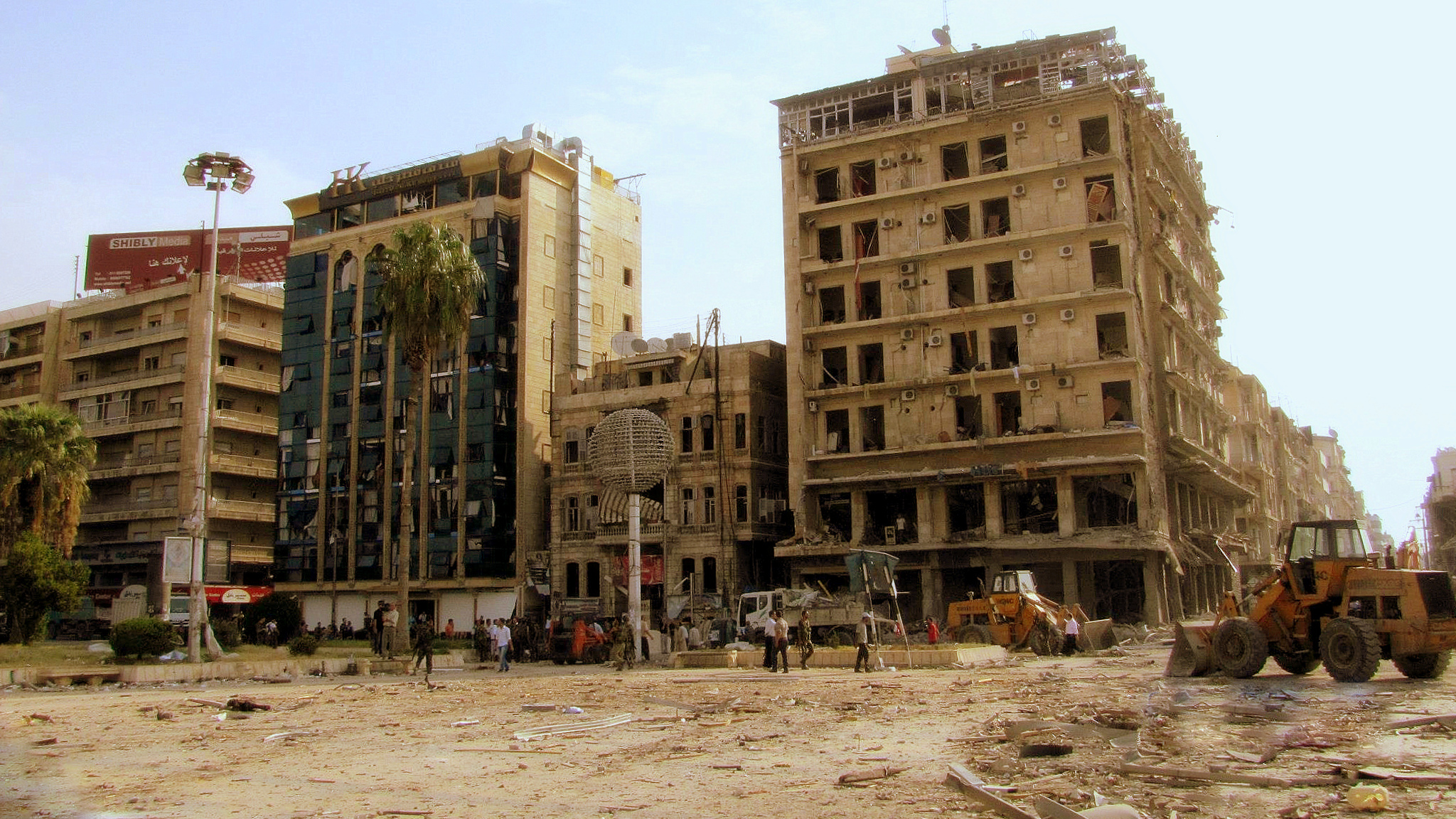
The scene at Saadallah Al-Jabiri Square in Aleppo after the attacks in 2012, attributed to Al-Nusra. Photo credits: Zyzzzzzy – http://www.flickr.com/photos/81399520@N00/8049978198, CC BY 2.0, https://commons.wikimedia.org/w/index.php?curid=21884168 By Jakob Guhl. Jakob completed his undergraduate studies with a BA in Political Science and Religious Studies from Goethe University Frankfurt. Currently, he is pursuing… Listen ⇢
-
From ‘good boy’ to terrorist: What is the appeal of ISIS?
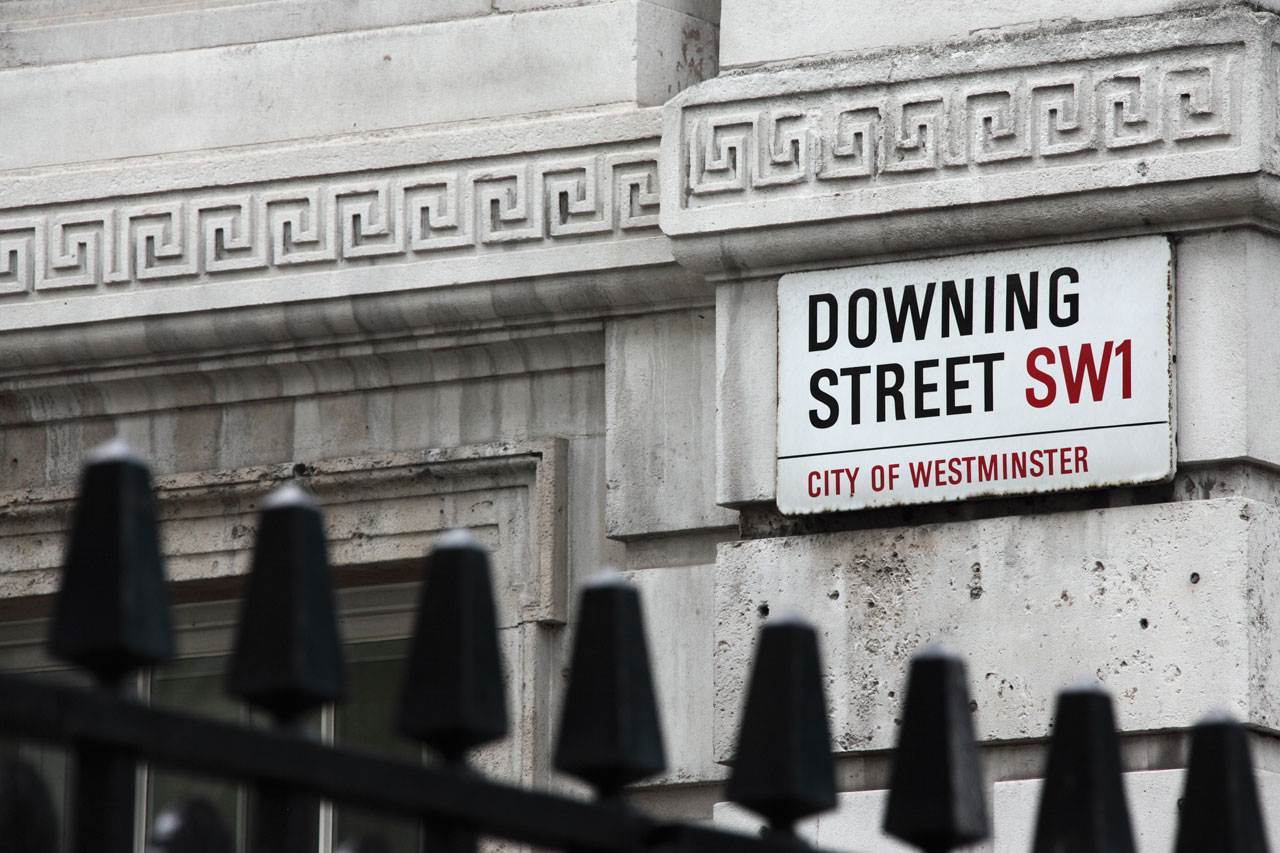
Westminster, 23 March 2017. Photo credits: Prioryman – Own work, CC BY-SA 4.0, https://commons.wikimedia.org By Linda Schlegel. Linda is a trainee at the Council of Europe. The so-called Islamic State has dominated and continues to dominate headlines with the recent Barcelona attacks, for which it claimed responsibility. Although the question… Listen ⇢

-
Imagining 2030: Post-ISIS Middle East
Photo by Mstyslav Chernov – Own work, CC BY-SA 4.0, Wikimedia By Linda Schlegel. Linda is currently pursuing an MA in Terrorism, Security, and Society at King’s College London. While the ideological appeal of the so-called Islamic State (ISIS) remains high as exemplified by the recent attacks throughout the United… Listen ⇢
-
Democracy in the UK – Why Theresa May’s comments on fighting extremism are exactly what the terrorists want
By Linda Schlegel. Linda is currently pursuing an MA in Terrorism, Security, and Society at King’s College London. Following the recent terrorist attack in London that left seven dead and several wounded and in light of the previous two attacks on Westminster Bridge and in Manchester, British Prime Minister Theresa… Listen ⇢
-
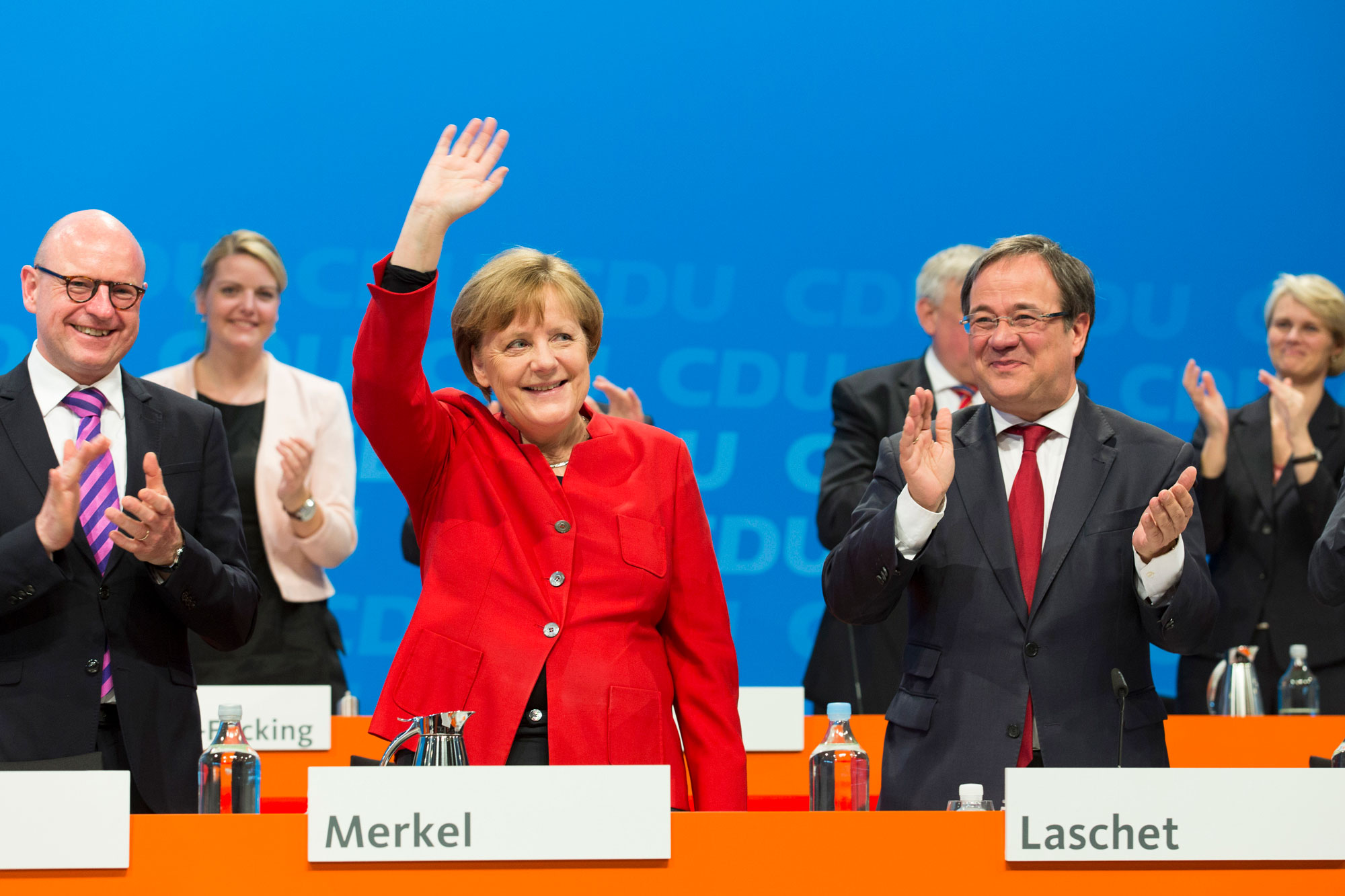
Merkel – the invincible? Why the Schulz effect wouldn’t last
Photo credits: CDU NRW, https://www.cdu-nrw.de/39-landesparteitag By Lisa Dittmer, Editor of the PS21 Blog. Less than three months ago, Germany’s social democrats pulled past Merkel’s CDU in the national polls – for the first time since 2006. “Ordinary”, “approachable”, his “finger on the pulse of Germany’s issues in 2017”, Martin Schulz’s… Listen ⇢
-
Sharing guns, sharing habitus?
What explains the rise of virtual, ideological terrorist networks in the West? By Linda Schlegel. Linda is currently pursuing an MA in Terrorism, Security, and Society at King’s College London. With the rise of the so-called Islamic State new questions for terrorism research emerged. Especially the social media use of… Listen ⇢

Executive Director, Peter Apps.
Peter Apps is executive director of the Project for Study of the 21st Century (PS21), a global defence columnist for Reuters and presenter of the “Facing Coming Storms” global defence podcast from PS21 and the British Army’s think tank the Centre for Historical Analysis and Conflict Research (CHACR).